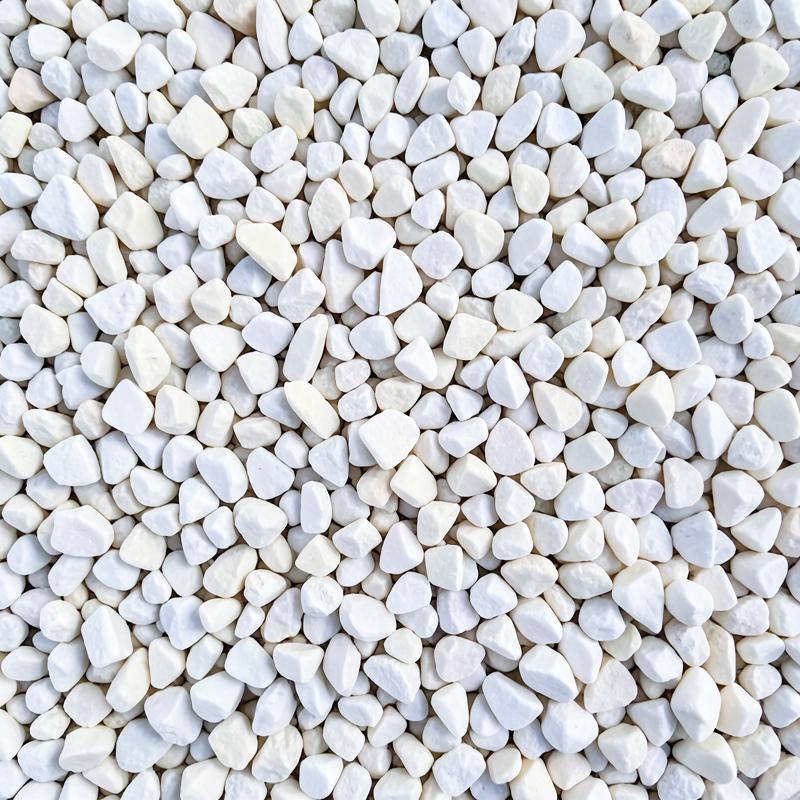
White Marble Chips
The default choice for terrazzo, bright flooring and garden beds.
Ahmedabad's design and architecture culture means terrazzo and exposed aggregate appear regularly in new buildings. For buyers here, marble chip requirements typically centre on architectural terrazzo, exposed aggregate and campus landscaping.
MarbleChips.in supplies marble chips in multiple colours and graded sizes for delivery to Ahmedabad in Gujarat. Contact us for availability and delivery options to Ahmedabad.
Share the colour, size, quantity and delivery area in Ahmedabad and we will confirm availability and price.
Pricing depends on colour, size, quantity, packaging and delivery location.
The full colour and size range can be quoted for Ahmedabad. Availability may vary by colour and quantity.
The default choice for terrazzo, bright flooring and garden beds.

High-contrast chips for modern terrazzo and dark landscape borders.
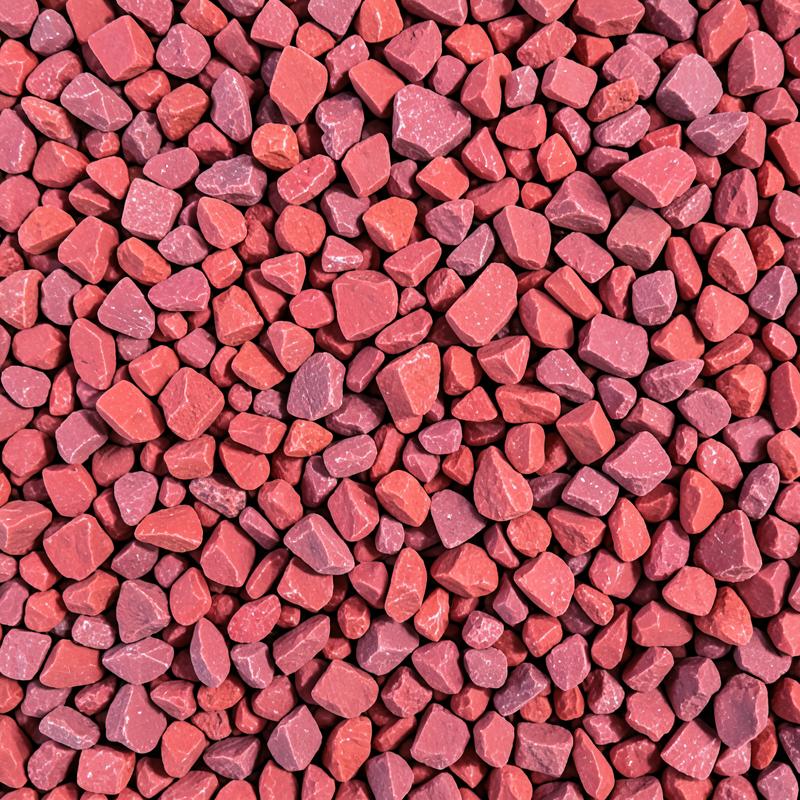
Warm-toned chips for decorative concrete, borders and feature beds.
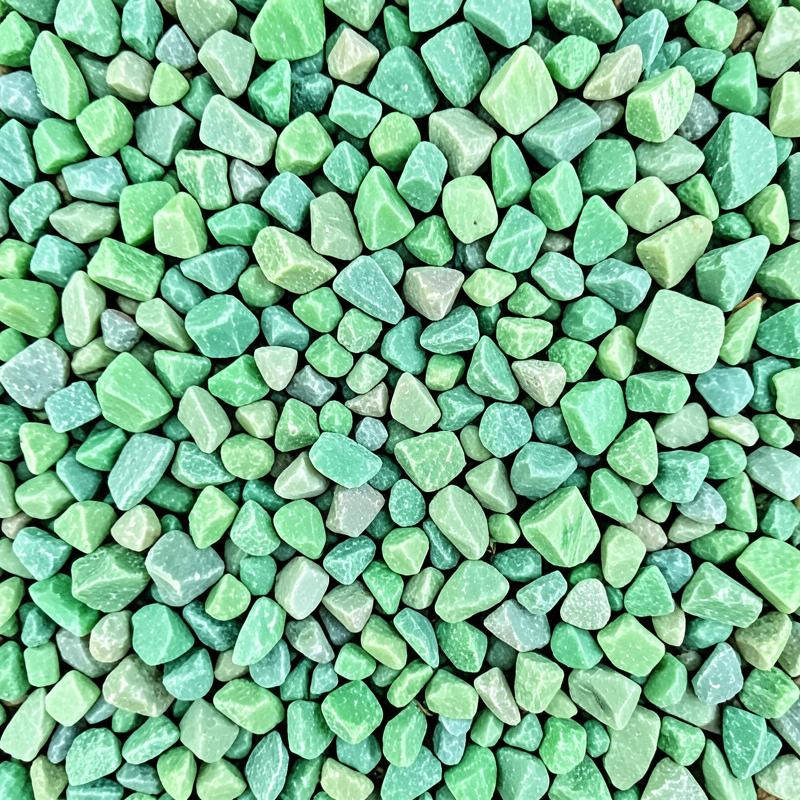
Cool green aggregate for garden features, planters and mosaic work.

Sandy, warm chips for pathways, exposed aggregate and courtyards.
Terrazzo and mosaic contractors working in Ahmedabad generally specify 3-6 mm for a standard chip pattern and 5-8 mm where a bolder finish is wanted. White and grey are the usual field colours, with black or red used as a border accent. See the terrazzo application page for how topping thickness constrains the grade.
For gardens, campuses and commercial landscaping around Ahmedabad, 8-10 mm is the general decorative bed size and 10-20 mm is the standard for walked paths. Warm colours mask dust better where the surface will not be cleaned often.
Beyond terrazzo, chips are used in Ahmedabad for exposed aggregate concrete, epoxy floors, planter topping and decorative concrete.
Bulk requirements for Ahmedabad are welcome. Share the grade, quantity in tonnes, packing preference and delivery PIN code. See bulk supply and contractor supply.
Woven bags for smaller quantities, jumbo bags or loose bulk for larger orders. Confirm what your site in Ahmedabad can offload before choosing.
Ahmedabad is one of the more design-literate construction markets in India, and it shows in how marble chips are used here. Terrazzo, exposed aggregate and cast-in-place decorative concrete appear regularly in institutional buildings, campuses, offices and private houses rather than only in budget flooring. Buyers in the city tend to be specific about chip grade and colour because the finish is usually meant to be seen.
Ahmedabad's architectural culture, shaped by its institutions and a long tradition of exposed material finishes, means terrazzo and exposed aggregate are treated as legitimate design choices. Educational campuses, cultural buildings, offices and residential projects across Bodakdev, Thaltej, Satellite, Prahlad Nagar and the SG Highway corridor all use chip-based finishes in circulation areas, courtyards and façade elements.
The second driver is volume housing and township development on the city's western and northern edges, along with Gandhinagar and the GIFT City corridor. These projects need durable, low-maintenance flooring in lobbies, staircases, parking decks and common areas, which is what terrazzo and chip-set concrete do well.
The third is landscaping. Ahmedabad's hot, dry climate makes stone ground cover practical: it reduces watering demand around planting, keeps soil from blowing, and stays presentable in a climate where lawns are expensive to maintain.
White and grey chips are the default in institutional and office work, where a restrained, monolithic finish is wanted and the chip pattern reads as texture rather than decoration. Grey in particular pairs well with the exposed concrete and brick finishes common in the city's architecture.
For outdoor landscaping in Ahmedabad's dust and strong sun, warm colours perform better visually. Peach, brown and yellow keep their appearance between cleanings and complement the warm tones of local brick and stone. Multicolor mixes are widely used for driveways and parking margins because they disguise tyre marks and oil spotting.
Black and red are used as accents: border strips in terrazzo, contrast bands in exposed aggregate paving, and defined edges around planting. Green chips appear in garden and courtyard work where a cooler tone is wanted beside planting.
For terrazzo and cast tile work, 3-6 mm and 5-8 mm are the working grades, chosen against the topping thickness. Larger chips give a bolder, more visible pattern, which is often what designers here want for feature floors and courtyards, but they need a thicker topping to grind properly.
Exposed aggregate concrete, which is used extensively in Ahmedabad for pathways, plazas and parking areas, generally uses 8-10 mm and 10-20 mm so the exposed face is clearly legible after washing back the surface mortar.
Fine grades from 0.5-1 mm to 2-4 mm go into wall plaster finishes, thin resin floors and precast decorative elements. These are ordered in smaller quantities but with tighter expectations on cleanliness and consistency.
Exposed aggregate is done well in Ahmedabad, and the result depends on three things: chip grade, how much surface mortar is washed back, and timing. Wash back too early and the chips loosen; too late and the surface stays cloudy. Contractors here typically use a surface retarder and wash back the next day, which gives more control than trying to judge it by hand.
For terrazzo, the chip should be clean and free of dust before mixing, because fines coat the chip surface and weaken the bond with the matrix. Where a two-colour design is used, keep the field and border mixes separate on site and label the bags — remixing by eye later rarely matches.
Bay layout matters in the city's larger institutional floors. Divider strips control cracking and give a clean line between colours, and they also let the floor be poured in manageable sections in hot weather, which is a real constraint through Ahmedabad's summer.
Ahmedabad's summers are long and severe, and stone mulch has a practical advantage over bare soil or lawn: it shades the soil surface, slows evaporation and keeps root zones cooler than exposed earth. Around trees and shrub beds in campuses and housing societies, a 40-50 mm chip layer over a weed barrier is a common build-up.
Dust is the main maintenance factor. Fine dust settles into any chip bed and gradually dulls it, particularly in white. A periodic wash restores the appearance, and choosing a warm or mid-tone colour extends the interval between washes.
In courtyards and hard landscape, chips set into concrete rather than laid loose avoid migration entirely and give a surface that can be swept. This is a common approach in Ahmedabad institutional projects where the same finish continues from paving into planting margins.
Ahmedabad sites generally have better vehicle access and lay-down space than the older metros, particularly on the western periphery, Gandhinagar and the industrial belts. That makes jumbo bags and loose bulk practical for larger orders where a forklift or hydra is available.
For plot-level work inside the older city and the walled-city fringe, access is narrower and manual offloading is the norm, so woven bags are usually the sensible choice. Tell us which situation applies at the enquiry stage.
We do not operate a yard or warehouse in Ahmedabad. Material is dispatched against confirmed orders, and delivery timing is confirmed per consignment, since it depends on grade, quantity and route.
For loose beds, work out area times depth for volume, apply an approximate bulk density for the grade, and add about 10% for settlement and spillage. The calculator on this site sets out the assumptions it uses so you can sanity-check the number.
For exposed aggregate and terrazzo, the chip requirement follows the mix design and the layer thickness, so give your contractor the area and thickness and ask them to confirm the chip proportion before you order.
If the project is phased across a campus or township, order colour-critical areas together. Matching an additional consignment to work done months earlier is harder than ordering the full quantity at once.
A clear Ahmedabad specification should identify the intended finish, nominal size band, colour range, cleanliness requirement and approval method. Terrazzo, exposed aggregate and loose landscape beds may use the same stone colour but need different grading. Writing only “white marble chips” leaves too much open to interpretation and makes quotations difficult to compare.
For exposed aggregate, prepare a site mock-up with the proposed cement colour, chip proportion and wash-back method. The finished appearance depends on all three, not on the aggregate alone. Review the panel after it dries completely, because the wet surface seen during washing is darker and richer than the everyday result. Keep the approved panel protected as the workmanship reference.
For terrazzo, coordinate maximum chip size with topping thickness and grinding allowance. For landscape work, specify bed depth, geotextile and edge restraint along with colour. This produces a buildable detail and prevents a decorative material decision from being separated from drainage, containment and maintenance.
Bulk buyers should compare like with like: the same grade tolerance, colour range, packing, quantity basis, freight basis and tax treatment. A quotation for loose material cannot be compared directly with bagged material delivered to an inner-city plot. Ask whether weight is stated on a dry or dispatch basis and how shortages or damaged bags are recorded at receipt.
Ahmedabad dealers and project buyers can reduce avoidable cost by consolidating grades that move regularly while keeping colour-critical material separate. Common landscape grades may suit scheduled replenishment, while a custom terrazzo mix should be reserved for the named project. Storage needs a clean hard floor and cover from windblown dust; mixing different sizes in one bay defeats the purpose of screened grading.
When requesting a delivered rate, provide the PIN code, access, unloading method and expected order date. Freight changes with load utilisation and route, so a current quotation is more useful than a generic per-tonne claim. Availability and dispatch timing should be reconfirmed before labour or casting work is scheduled.
A terrazzo or precast panel should reproduce the proposed section thickness and finishing process. Selecting a chip because it looks attractive loose can lead to problems when the largest particles do not sit securely in the casting. Ask the fabricator to confirm the size band and mix design for the actual component. Thin wall details, tiles, counters and floor toppings should not automatically share one specification.
Record the cement colour, pigment where used, aggregate proportions and grinding sequence. Judge the sample after drying and the intended sealing treatment. If a second trial changes both the chip and binder, it becomes difficult to tell which change improved the result. Adjust one variable at a time where practical and retain the accepted sample as a reference. This is especially useful for a project that repeats the same finish across several buildings.
For an exposed-aggregate walkway or courtyard, approve more than colour. The installed texture depends on how deeply the matrix is removed and how well the chips remain embedded. A test panel should include the actual placement and exposure method. The designer or contractor should assess suitability for the intended pedestrian use; angular loose chips and an engineered bound surface have different behaviour and should not be treated as interchangeable.
Consider edges and transitions before ordering. A chip mix that works visually in a large field may look untidy around a drain frame or narrow border. Include those details in the mock-up if they are prominent. For an occupied Ahmedabad property, coordinate the work area with access and cleaning arrangements so the new material is not immediately contaminated by traffic or adjacent construction.
A wholesale buyer needs to preserve the separation created by screening. Allocate different bays or clearly identified stacks for different grades, and keep colours apart. Use a clean hard base rather than a bare soil yard for material that will be sold as decorative aggregate. Covered storage helps prevent dust contamination, but the packing and storage arrangement should also allow safe access and inspection.
If material is repacked for smaller sales, retain the original delivery reference and record the declared pack weight. Do not advertise a mixed residual stockpile as a tightly graded product. Explain to customers whether they are buying loose landscaping material or aggregate intended for a specified bound system. Accurate labelling reduces returns caused by a suitable stone being purchased for the wrong application.
Separate measured requirements from allowances. Landscape area and design depth establish a volume; conversion to a purchasing weight requires a suitable bulk-density assumption. The density of solid marble is not the same as the loose bulk density of chips because voids remain between particles. Ask the supplier and contractor to agree a reasonable basis rather than presenting an unverified conversion as exact.
Request rates for defined items at the actual destination, including packing and freight basis. If several grades are needed, show the quantity of each. For a colour-critical area, ask whether the requirement can be supplied from an approved consistent lot and how any later change would be handled. Current availability and dispatch arrangements must be confirmed; this page is guidance for enquiring, not evidence of a local warehouse or an unconditional supply commitment.
Delivery enquiries from these nearby areas are handled alongside the main city.
Contact us for availability and delivery options to Ahmedabad and surrounding areas.
Call or WhatsApp +91 9358174009 with your colour, size and quantity.
Tell us your required colour, size, quantity and delivery city to get current availability and pricing.
Pricing depends on colour, size, quantity, packaging and delivery location.