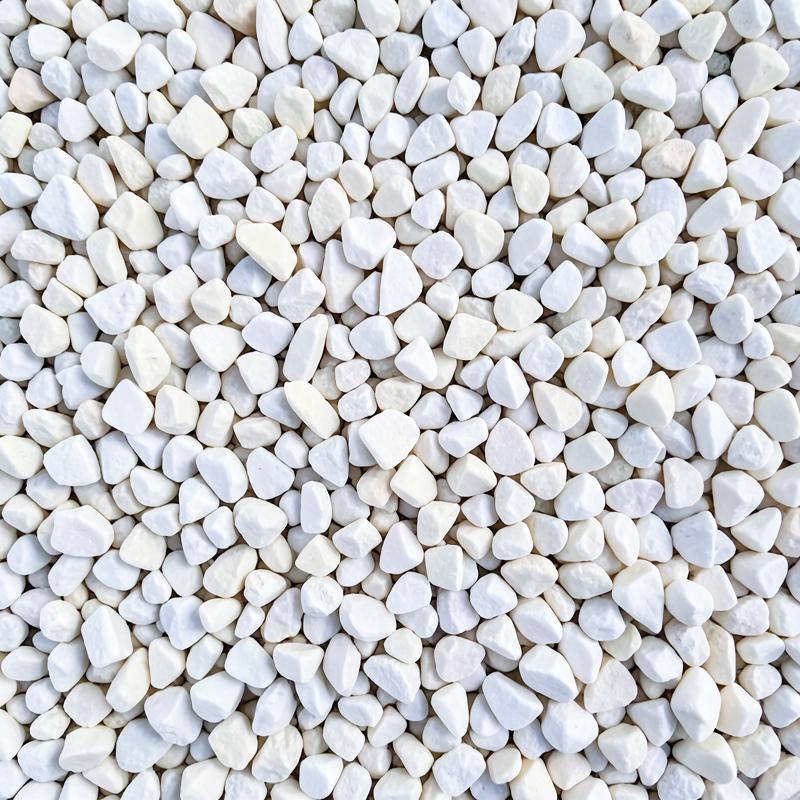
White Marble Chips
The default choice for terrazzo, bright flooring and garden beds.
Surat's diamond and textile industries fund large commercial complexes with high-specification interiors. For buyers here, marble chip requirements typically centre on commercial interiors and large-format flooring.
MarbleChips.in supplies marble chips in multiple colours and graded sizes for delivery to Surat in Gujarat. Contact us for availability and delivery options to Surat.
Share the colour, size, quantity and delivery area in Surat and we will confirm availability and price.
Pricing depends on colour, size, quantity, packaging and delivery location.
The full colour and size range can be quoted for Surat. Availability may vary by colour and quantity.
The default choice for terrazzo, bright flooring and garden beds.

High-contrast chips for modern terrazzo and dark landscape borders.
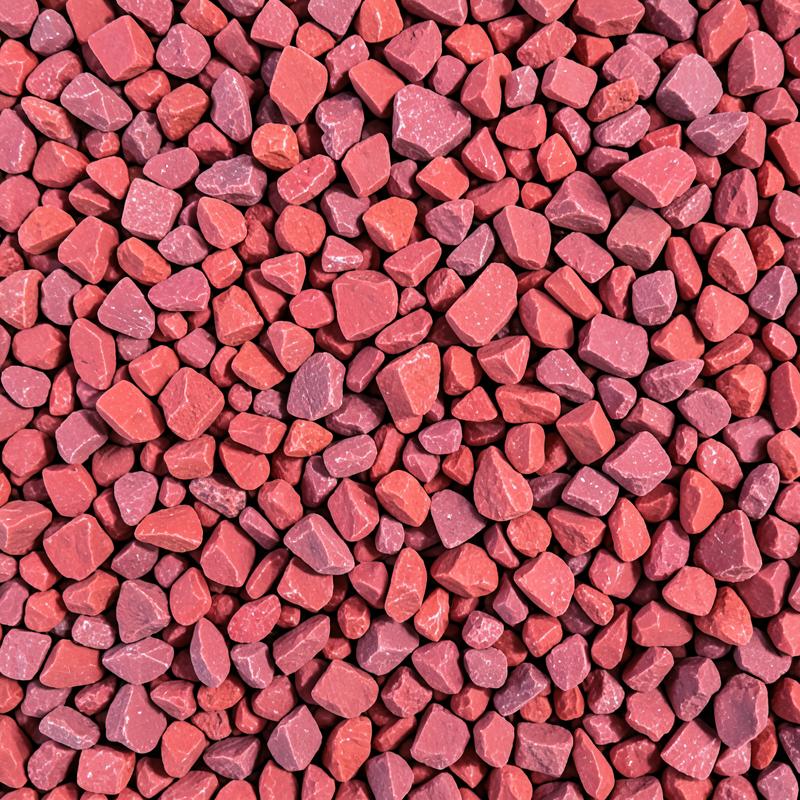
Warm-toned chips for decorative concrete, borders and feature beds.

Cool green aggregate for garden features, planters and mosaic work.

Sandy, warm chips for pathways, exposed aggregate and courtyards.
Terrazzo and mosaic contractors working in Surat generally specify 3-6 mm for a standard chip pattern and 5-8 mm where a bolder finish is wanted. White and grey are the usual field colours, with black or red used as a border accent. See the terrazzo application page for how topping thickness constrains the grade.
For gardens, campuses and commercial landscaping around Surat, 8-10 mm is the general decorative bed size and 10-20 mm is the standard for walked paths. Warm colours mask dust better where the surface will not be cleaned often.
Beyond terrazzo, chips are used in Surat for exposed aggregate concrete, epoxy floors, planter topping and decorative concrete.
Bulk requirements for Surat are welcome. Share the grade, quantity in tonnes, packing preference and delivery PIN code. See bulk supply and contractor supply.
Woven bags for smaller quantities, jumbo bags or loose bulk for larger orders. Confirm what your site in Surat can offload before choosing.
Surat's building activity is fast, commercial and volume-driven. Textile and diamond industry wealth funds a large residential market, and the city's industrial estates, commercial complexes and township projects all use marble chips in flooring and landscaping. Buyers here tend to be price-aware and schedule-driven, and they order in quantities matched to a fast construction programme.
High-volume residential development across Vesu, Pal, Adajan, Dumas Road and the newer growth areas is the main driver. Apartment towers here are built quickly, and lobbies, staircases, parking decks and common areas need finishes that go down fast and last, which is where cast terrazzo tiles and chip-set concrete come in.
The commercial and industrial sector is the second driver. Textile markets, diamond offices, showrooms and industrial units use resin and epoxy floors with decorative chip in showroom, reception and circulation areas, where the floor needs to look presentable under heavy daily traffic.
Landscaping is the third: society commons, commercial plazas, riverfront-adjacent developments and private bungalows all use decorative chip beds and pathways.
White and grey dominate interior specifications, particularly in apartment lobbies and commercial receptions where a bright, clean finish is expected. Grey is the more forgiving of the two in high-traffic areas.
Outdoors, Surat's humidity and monsoon rainfall mean shaded beds stay damp and pale stone discolours over time. Brown, grey, black and multicolor keep their appearance longer in open landscape areas and in society commons that are not cleaned frequently.
Black and red are used as border and contrast colours in terrazzo and paving. Peach and yellow appear in bungalow gardens and courtyard work where a warmer palette is preferred.
Cast terrazzo tile production and in-situ terrazzo use 3-6 mm and 5-8 mm. Because so much of Surat's residential construction uses precast tiles for speed, tile makers are among the steadier buyers of these grades.
Resin and epoxy floors in showrooms and industrial units use 0.5-1 mm to 2-4 mm, with the grade set by the coating system rather than by preference.
Landscaping takes 8-10 mm for beds and 10-20 mm for paths and driveways, with 20-40 mm used in drainage margins and around downpipes — worth planning properly in a city that gets heavy monsoon rainfall.
Surat projects often run on tight schedules, and material planning matters more than in slower markets. The practical approach is to fix the colour and grade early, order the full requirement for visible areas together, and stage delivery against the construction programme rather than ordering piecemeal as each floor is reached.
For tile casters, batch consistency is the main concern. Tiles produced weeks apart end up laid side by side, so keeping a retained sample and ordering in larger single consignments reduces the risk of a visible difference.
Where a project runs across multiple towers, decide early whether all towers share one palette. If they do, treat the whole scheme as one order for colour-critical material.
Surat receives heavy monsoon rainfall and sits on a flat coastal plain, so surface drainage is a real design consideration. Decorative beds should sit over a permeable base with a geotextile separator so water passes through rather than ponding and washing fines to the surface.
Keep the finished bed level below thresholds and drainage outlets. In society commons, coarse material around downpipe discharge points prevents the scouring that fine chips suffer during intense rain.
Humidity encourages algae on damp, shaded stone. Mid-tone colours in shaded zones and a periodic wash with water and a stiff brush keep beds looking consistent. Avoid acidic cleaners on marble.
Larger Surat sites, industrial estates and township projects usually have machinery and space, making jumbo bags or loose bulk the efficient option. Inner-city plots and society work often need woven bags for manual offloading through gates and parking areas.
Share the delivery PIN code, quantity in tonnes, colour, grade and packing capability when you enquire, along with any phasing you want. That is enough to confirm availability and plan dispatch.
We do not operate a warehouse or office in Surat. Material is dispatched against confirmed orders and delivery timing is confirmed per consignment.
For beds and paths, calculate area times depth for volume, apply an approximate bulk density and add about 10% for settlement and handling losses.
For terrazzo and cast tiles, the chip requirement is a function of the mix design and tile thickness, so work from your production figures rather than from floor area.
The site calculator gives a starting point and states its assumptions. Treat all figures as approximate, since bulk density varies with grade, colour and moisture.
Surat buyers working at volume should define a repeatable incoming check. Compare a washed and dried sample with the approved reference, inspect several bags for colour spread, and sieve a small quantity where grading is critical. Excess fines affect terrazzo matrix colour, resin bonding and landscape drainage, while oversize pieces can sit above a thin tile or topping and tear out during grinding.
Tile makers should record the delivery lot used for each production run. Test a small batch before full casting, especially when the cement pigment or chip source changes. Finished tiles should be judged after grinding and drying rather than immediately after washing. Keeping reference tiles makes later production comparisons more reliable than comparing loose stone alone.
Landscape contractors should inspect cleanliness and calculate bed depth before spreading. Material tipped onto soil without a separator quickly becomes contaminated, and different grades stored against each other are difficult to separate. A hard, clean storage bay and clear labels protect the value of screened material on a fast-moving site.
For a wholesale enquiry, list the grades and colours that move regularly, the likely quantity per dispatch, preferred packing and delivery location. For a named project, identify the visible areas that must match and the programme for each phase. These are different purchasing problems: repeat trade supply values dependable grading, while a feature floor puts greater weight on one-lot colour consistency.
Compare rates on a common landed basis. Packing, freight, vehicle size, unloading and handling can change the effective cost at site. A society project that needs small bags moved through occupied areas should not compare its figure directly with a loose bulk rate for an industrial plot. Confirm what is included before issuing an order.
Surat's monsoon should also influence delivery planning. Keep bagged material covered and above standing water, maintain clear access to drainage, and avoid building a stockpile where runoff can wash fines through the site. Dispatch timing and availability vary by grade and quantity, so reconfirm them before fixing laying teams or production runs.
For cast tiles or terrazzo components, associate the aggregate delivery with the production run that uses it. A simple register can note chip colour, grade, delivery identification, binder and sample approval. If the finished appearance changes, this record helps establish whether the cause was a new stone lot, a change in mix proportions or a different grinding treatment. Without a record, several variables can be confused.
Do a small production trial when the material or binder changes. Evaluate the sample after the full finishing sequence, not immediately after demoulding. Oversize particles may be difficult to accommodate in a thin component, while excess fines can influence the matrix appearance. The fabricator should specify acceptance checks appropriate to the component rather than using a generic aggregate description for every product.
An apartment entrance, corridor and surrounding planting beds should have separate material items. The flooring contractor and landscape contractor may require different grades even when the client prefers one colour family. Ask each team to confirm its application, installed depth or system specification, measured area and waste allowance. The buyer can then compare quantities without inadvertently combining floor and landscape assumptions.
For occupied societies, determine where delivery can be received and how bags will reach the work area. Maintain access for residents and do not use drains or pedestrian routes as temporary storage. If the job is phased, identify which visible zones need consistent material. A labelled allocation is preferable to having each phase select from whichever bags remain at the end of the previous work period.
Covered storage should prevent rainwater and site runoff from entering opened material. Place bags on a clean raised base and check that the receiving bay is not a low point where water accumulates. Damp chips may be acceptable to inspect for colour but may not meet a resin installer's dryness requirement. The system manufacturer and contractor should determine the condition needed at application.
Loose stockpiles need physical separation from sand, cement debris and landscaping soil. Do not assume washing later will undo every type of contamination. If rain interrupts installation, protect the uncompleted work according to the specified system and keep reserve material identifiable. A careful storage plan can be more valuable than receiving a larger load that the site cannot protect.
Prepare a list of the grades and colours your customers actually request, using your own enquiry or sales records rather than claims that every colour is equally popular. A trial range of identifiable products is easier to assess than a large unsorted load. Ask for current availability, packing options and whether future consignments would be checked against the same grading description.
For project buyers, request one delivered comparison that makes packing, freight and unloading responsibilities clear. For dealers, include the cost and labour of any repacking and storage. The two enquiries can lead to different workable packing choices. State the Surat delivery PIN code and access constraints on both, and reconfirm any timing on the accepted order rather than treating a previous delivery experience as a guarantee.
Delivery enquiries from these nearby areas are handled alongside the main city.
Contact us for availability and delivery options to Surat and surrounding areas.
Call or WhatsApp +91 9358174009 with your colour, size and quantity.
Tell us your required colour, size, quantity and delivery city to get current availability and pricing.
Pricing depends on colour, size, quantity, packaging and delivery location.