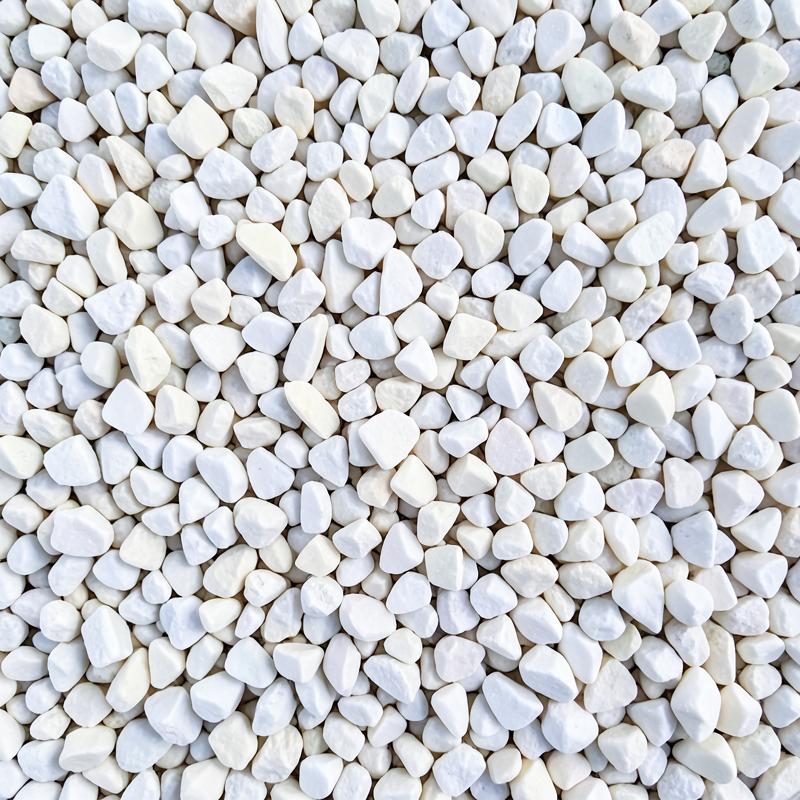
White Marble Chips
The default choice for terrazzo, bright flooring and garden beds.
Chennai's commercial interiors and IT corridor projects regularly specify epoxy terrazzo and decorative aggregate. For buyers here, marble chip requirements typically centre on commercial epoxy terrazzo and landscape stone.
MarbleChips.in supplies marble chips in multiple colours and graded sizes for delivery to Chennai in Tamil Nadu. Contact us for availability and delivery options to Chennai.
Share the colour, size, quantity and delivery area in Chennai and we will confirm availability and price.
Pricing depends on colour, size, quantity, packaging and delivery location.
The full colour and size range can be quoted for Chennai. Availability may vary by colour and quantity.
The default choice for terrazzo, bright flooring and garden beds.
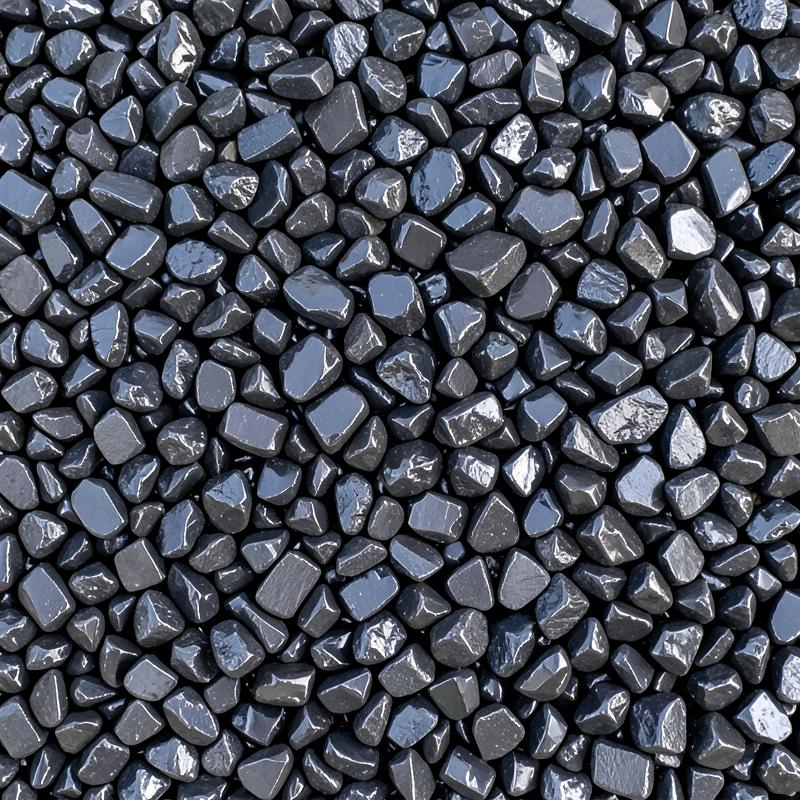
High-contrast chips for modern terrazzo and dark landscape borders.
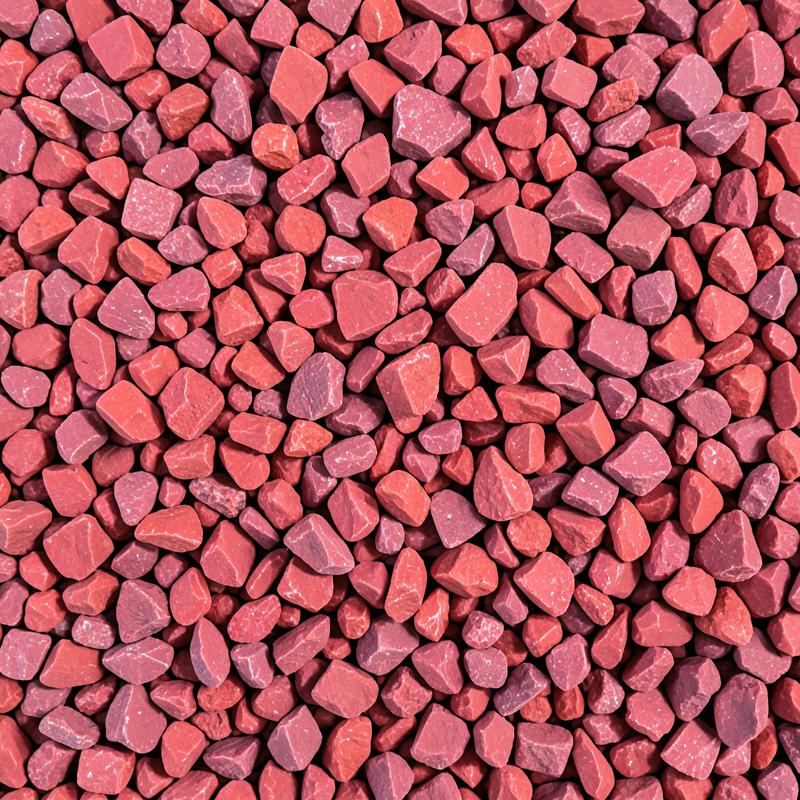
Warm-toned chips for decorative concrete, borders and feature beds.
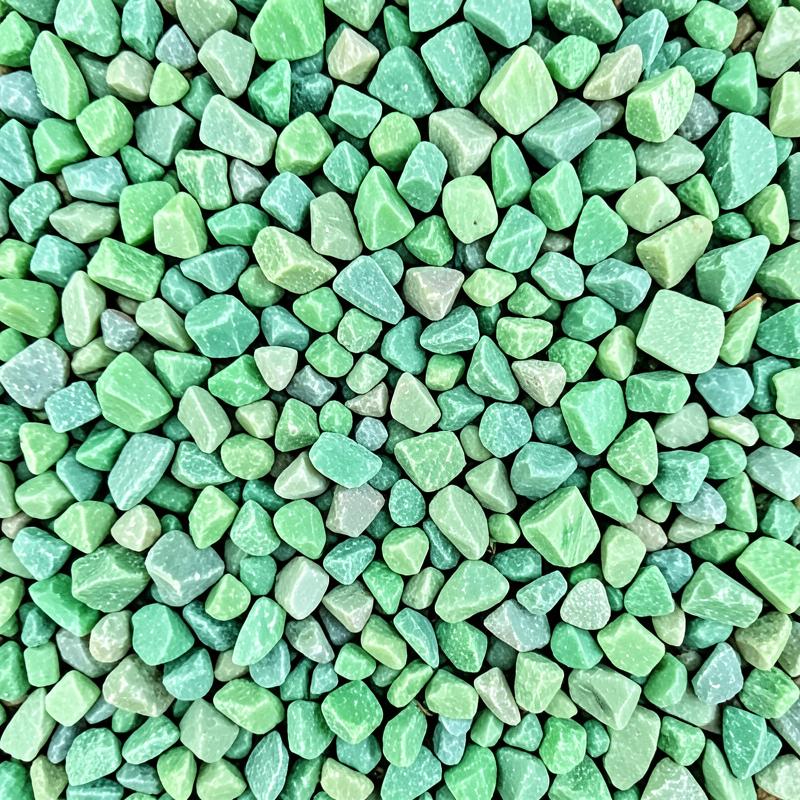
Cool green aggregate for garden features, planters and mosaic work.
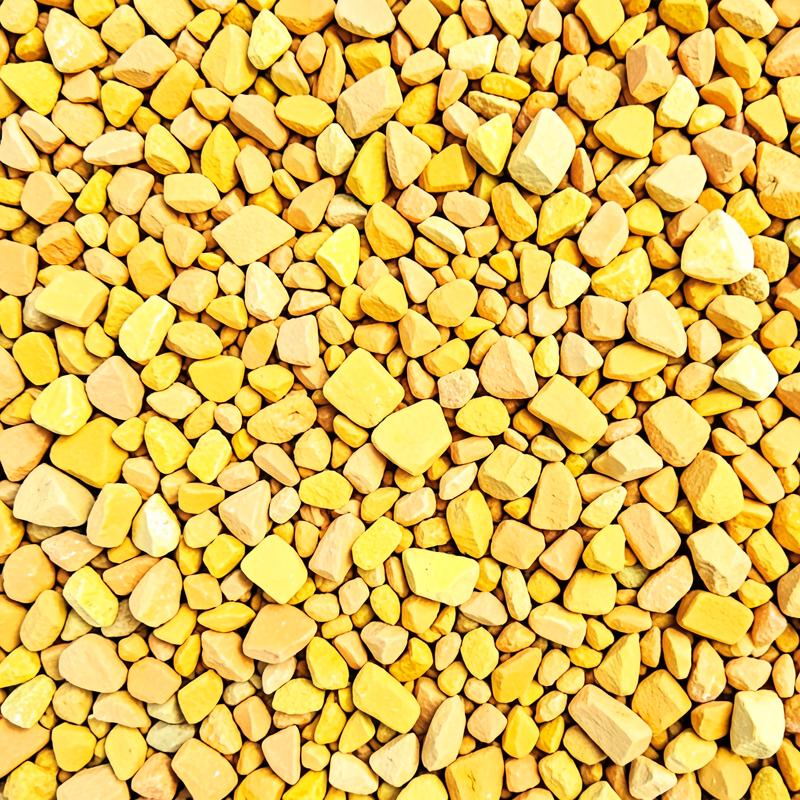
Sandy, warm chips for pathways, exposed aggregate and courtyards.
Terrazzo and mosaic contractors working in Chennai generally specify 3-6 mm for a standard chip pattern and 5-8 mm where a bolder finish is wanted. White and grey are the usual field colours, with black or red used as a border accent. See the terrazzo application page for how topping thickness constrains the grade.
For gardens, campuses and commercial landscaping around Chennai, 8-10 mm is the general decorative bed size and 10-20 mm is the standard for walked paths. Warm colours mask dust better where the surface will not be cleaned often.
Beyond terrazzo, chips are used in Chennai for exposed aggregate concrete, epoxy floors, planter topping and decorative concrete.
Bulk requirements for Chennai are welcome. Share the grade, quantity in tonnes, packing preference and delivery PIN code. See bulk supply and contractor supply.
Woven bags for smaller quantities, jumbo bags or loose bulk for larger orders. Confirm what your site in Chennai can offload before choosing.
Chennai's marble chip demand comes from a mix of institutional building, IT corridor commercial work along OMR, apartment construction across the southern and western suburbs, and coastal residential projects. The city's heat, humidity and salt-laden coastal air all influence colour choice and maintenance expectations, and buyers here tend to ask practical questions about how a finish will look after two summers rather than only about how it looks on day one.
Institutional and educational construction has always been a large part of Chennai's building activity, and terrazzo has a long history in these buildings because it survives decades of heavy student and patient footfall and can be ground back rather than replaced. Schools, colleges, hospitals and government buildings continue to specify chip-based flooring for corridors, staircases and halls.
The OMR and Guindy commercial corridors add a second stream of demand: office fit-outs, retail interiors and campus amenity blocks using resin and epoxy floors with decorative chip broadcast, plus cast terrazzo in reception areas.
Apartment development across Velachery, Perungudi, Pallikaranai, Porur, Ambattur and the western suburbs generates lobby, staircase and podium requirements, while independent houses and coastal properties use chips in gardens, driveways and courtyards.
White remains the standard field colour for institutional terrazzo, and it works well indoors where floors are cleaned daily. In outdoor Chennai conditions, though, pale beds show algae after the north-east monsoon and dust through the dry months, so they need more attention than mid-tone material.
Grey, brown and black perform better outdoors. Black in particular contrasts well with the light-coloured plaster and pale granite used across the city, and is widely used as a border colour in terrazzo bays and as an edging strip in paving.
Peach and yellow appear in residential garden and courtyard work, where a warmer palette suits the terracotta and timber finishes common in Chennai houses. Multicolor is a practical driveway choice because tyre marks and oil spotting are far less visible on a varied surface.
Institutional terrazzo work uses 3-6 mm and 5-8 mm almost exclusively, matched to the topping thickness the contractor is laying. These are the highest-volume grades in the city.
Commercial fit-outs use fine grades from 0.5-1 mm to 2-4 mm in resin, epoxy and thin decorative screeds, where chip size is dictated by the coating thickness rather than by appearance.
Landscaping around apartment podiums, campuses and houses uses 8-10 mm for beds and 10-20 mm for pathways. Coarse 20-40 mm goes into drainage margins, soak-away surrounds and splash zones under downpipes, which matter in a city that receives heavy short-duration rainfall during the north-east monsoon.
In-situ terrazzo is still laid in Chennai on institutional projects because the economics work over a long life: the floor is poured, ground and polished, and thirty years later it can be reground rather than demolished. That longevity is why chip quality matters — a floor being ground back decades later needs sound, well-graded stone throughout the topping, not just at the surface.
Contractors here typically use divider strips to break the floor into bays. This controls shrinkage cracking, allows pours to be phased in Chennai's heat, and gives a clean junction between field and border colours.
Precast terrazzo tiles are also widely used, particularly for staircases and smaller areas. If your project mixes cast tiles and in-situ work, order the chip for both from the same batch where possible so the two read as one floor.
Chennai's coastal position brings humidity and airborne salt, particularly in the areas closer to the shoreline. Salt deposit is mostly a surface appearance issue on stone rather than a structural one, but it does mean that exposed pale beds near the coast need washing more often to look their best.
Humidity plus shade encourages algae. Beds under dense planting or in permanently shaded courtyards will discolour faster than open, sunlit areas, so choose darker grades for shaded zones and keep pale material where it gets sun and airflow.
Marble reacts with acids, so avoid acidic cleaners and descaling agents on chip beds and terrazzo. Water, a stiff brush and, where needed, a neutral cleaner are the safe routine.
Sites along OMR, in the industrial belts and on the city's outskirts generally have room for a full vehicle and machinery to offload, which makes jumbo bags or loose bulk practical. Older residential areas within the city are tighter and usually need woven bags and manual handling.
When you enquire, share the delivery PIN code, colour, grade, quantity in tonnes and the packing you can handle. Those details are what allow availability and dispatch to be confirmed without back-and-forth.
We do not operate an office or warehouse in Chennai. Material is dispatched against confirmed orders and delivery timing is confirmed per consignment rather than quoted as a standard lead time.
For decorative beds and pathways, multiply the area by the depth to get volume, convert with an approximate bulk density for the grade, and add roughly 10% for settlement and handling losses.
For terrazzo, the chip proportion comes from the mix design and topping thickness, so ask your contractor to confirm the quantity rather than estimating from floor area alone.
Use the calculator on this site for a first figure. It states the assumptions it applies, and all results should be treated as approximate because bulk density varies with grade, colour and moisture.
Delivery enquiries from these nearby areas are handled alongside the main city.
Contact us for availability and delivery options to Chennai and surrounding areas.
Call or WhatsApp +91 9358174009 with your colour, size and quantity.
Tell us your required colour, size, quantity and delivery city to get current availability and pricing.
Pricing depends on colour, size, quantity, packaging and delivery location.